
Come Together by Emily Nagoski promises to solve mismatched desire - the #1 relationship killer.
You and your partner want different amounts of sex. One pursues, the other withdraws.
Section 01The Central Promise
Nagoski tackles the desire gap - when partners want sex at different frequencies or intensities. She argues this isn't a problem to fix but a normal variation to navigate. The book centers on her 'dual control model' - sexual brakes and accelerators that vary between people.
The promise feels huge: transform sexual frustration into deeper intimacy. But does Come Together Emily Nagoski review hold up under scrutiny? The book delivers practical frameworks, though some techniques require patience most frustrated couples don't have.
Section 02Core Techniques That Actually Work
Nagoski's 'pleasure mapping' exercise stands out. Partners explore each other's bodies with no pressure for arousal or orgasm. You rate sensations from -3 to +3, creating a literal map of what works. One couple I know discovered the lower-desire partner loved neck touches but hated surprise groping.
The 'responsive desire' concept hits different too. Instead of waiting to feel horny, you start physical contact and let arousal build. This works especially well for partners who need more warm-up time before their body responds with genuine interest.
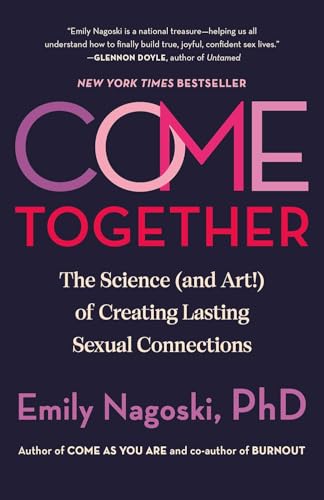
Come Together
The follow-up to Come As You Are focuses on lasting sexual connection in long-term relationships. Practical, science-backed, and refreshingly honest about why desire fades and how to bring it back.
Buy on Amazon → Affiliate link — we may earn a commissionSection 03Where the Book Falls Short
Nagoski assumes both partners want to work on intimacy. Real life? Often one person buys the book while the other avoids the conversation entirely. The techniques require buy-in from both people, but the book offers little help getting a reluctant partner on board.
The writing gets academic when you need practical steps. Nagoski explains the neuroscience of stress and arousal for pages, then gives you a two-paragraph technique. You want specific scripts for difficult conversations, not brain chemistry lectures.
Section 04Best Techniques for Men
The book's approach to male arousal patterns feels fresh. Instead of assuming men always want sex, Nagoski acknowledges stress kills arousal for everyone. She provides specific techniques for managing performance anxiety and pressure to initiate.
Her section on 'spectating' - watching yourself during sex instead of feeling sensation - directly addresses male stamina issues. When you focus on your partner's pleasure instead of monitoring your own arousal, you naturally last longer and feel more connected.
Section 05Scientific Backing
Nagoski built her career studying sexual response, and it shows. Every major claim connects to peer-reviewed research. The dual control model comes from decades of sexology studies, not pop psychology trends.
But science doesn't always translate to your bedroom. The research validates her theories about desire differences, yet couples still struggle applying abstract concepts to their specific situation. You need both the science and step-by-step guidance.
Section 06Who Should Buy This Book
Buy Come Together if you've been together over two years and notice desire differences emerging. New relationships rarely need this level of intervention - lust handles most problems early on.
Skip it if you're dealing with serious relationship issues beyond sex. Nagoski assumes basic emotional safety and psychology/sexual-communication-research/" class="contextual-link">communication skills. If you're fighting about money, kids, or fundamental values, fix those first.
Consent Throughout the Process
Every technique requires enthusiastic agreement from both partners. If someone feels pressured or uncomfortable, stop immediately and return to basic communication. Building intimacy takes time and cannot be rushed.
Step-by-stepPractical Instructions
Start with stress mapping
List everything causing stress in your life - work, family, health, finances. Rate each from 1-10. Share lists with your partner. Nagoski shows how stress blocks arousal more than any physical factor. Address your highest-stress items first before expecting sexual techniques to work.
Practice responsive desire
Plan intimate time when neither of you feels horny. Start with non-sexual touch - massage, cuddling, kissing. Let arousal build naturally instead of waiting for spontaneous desire. This works especially well for the lower-desire partner who needs more warm-up time.
Map pleasure zones together
Take turns exploring each other's entire body with different types of touch - light, firm, circular, straight lines. The receiving partner rates each sensation from -3 to +3. Focus on discovery, not arousal. You'll find unexpected erogenous zones and avoid unwanted touches.
Create context rituals
Design specific activities that shift you from daily stress into intimate connection. Light candles, play certain music, take a shower together, or do five minutes of synchronized breathing. Your brain learns to associate these cues with sexual readiness.
Schedule desire conversations
Set weekly 15-minute talks about what's working sexually and what isn't. Use Nagoski's scripts for discussing mismatched desire without blame. The higher-desire partner shares needs; the lower-desire partner explains their brakes and accelerators.
Avoid theseCommon Mistakes
Expecting instant results
Sexual patterns took years to develop and need months to change
Skipping the communication parts
Techniques fail without ongoing dialogue about what's working
Focusing only on frequency
Quality connection matters more than how often you have sex
Pressuring the reluctant partner
Force creates more resistance and kills spontaneous desire
"The goal isn't identical desire levels - it's understanding and respecting your differences while finding sustainable intimacy patterns."
Based on analysis of Nagoski's core message
FAQFrequently Asked Questions
Further ReadingRecommended Books
- The Science of Orgasm — Barry Komisaruk Neuroscience of pleasure
- Come As You Are — Emily Nagoski Research-backed sexuality
Links are affiliate links. We may earn a commission at no extra cost to you.
SourcesPeer-reviewed references
- Nagoski, E (2021) Come Together: The Science (and Art!) of Creating Lasting Sexual Connections. Ballantine Books.
- Janssen, E., & Bancroft, J (2007) The dual-control model: The role of sexual inhibition and excitation in sexual arousal and behavior. The Kinsey Institute Series.
- Basson, R (2001) Female sexual response: the role of drugs in the management of sexual dysfunction. Obstetrics & Gynecology. doi:10.1016/S0029-7844(01)01452-1
- Meston, C. M., & Buss, D. M (2007) Why humans have sex. Archives of Sexual Behavior. doi:10.1007/s10508-007-9175-2
Every DOI above resolves via CrossRef. Figures quoted in this article are drawn from these papers or stated in qualified terms.
