
Attached by Amir Levine promises to fix your relationships, but nobody talks about how it can transform your sex life.
You're struggling with intimacy, can't communicate your sexual needs, or feel anxious during sex without knowing why.
Section 01What Attached Gets Right About Sexual Intimacy
Levine's book excels at explaining why you might freeze up during sex or struggle to ask for what you want. If you're anxiously attached, you probably recognize the pattern: craving closeness but feeling too vulnerable to guide your partner's hands where you need them. The book's framework finally gives you words for that internal tension.
The secure attachment blueprint in Attached translates directly to better sex. Secure people communicate needs clearly, stay present during pleasure, and don't take their partner's techniques personally. When your partner tries something that doesn't work, you can redirect them without drama or shame spirals.
How Attachment Styles Show Up in Bed
Anxious attachment often means you're so focused on reading your partner's reactions that you can't focus on your own sensations. Avoidant attachment might have you going through the motions without really connecting. Secure attachment lets you stay present with both your pleasure and your partner's.
Section 02Where the Book Misses the Mark
Attached treats sexual problems as relationship problems, which misses a crucial point: sometimes bad sex creates attachment anxiety, not the other way around. If you've never had an orgasm with a partner, you might develop anxious behaviors that have nothing to do with your core attachment style.
The book also assumes that secure attachment automatically leads to good sex, but that's not always true. You can be securely attached and still not know where your clitoris is or how to communicate about pressure and angle. Sexual skills and emotional security are related but separate.
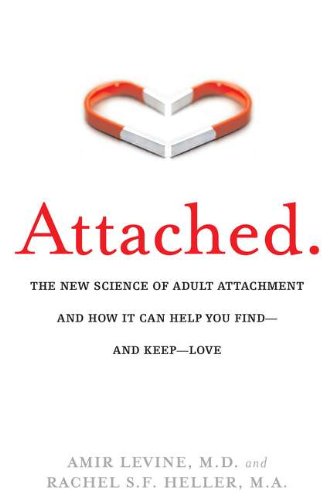
Attached
Understanding your attachment style changes how you date, communicate, and connect sexually. This is the most accessible introduction to attachment theory available.
Buy on Amazon → Affiliate link — we may earn a commissionSection 03The Communication Framework That Actually Works
Levine's approach to direct communication is gold for sexual conversations. Instead of hinting that you want more foreplay, you learn to say 'I need about ten minutes of stimulation-complete-guide/" class="contextual-link">clitoral stimulation before penetration works for me.' This cuts through the guessing games that kill arousal.
The book teaches you to separate your partner's sexual technique from their feelings about you. When they're not hitting the right spot, it's a logistics problem, not a love problem. This mindset shift alone can transform your sexual communication.
Section 04Practical Applications for Better Sex
Use Attached's protest behaviors checklist during sex. If you find yourself withdrawing, getting clingy, or picking fights after mediocre sex, you're probably using protest behaviors instead of addressing the actual sexual issue. The book helps you recognize these patterns in real time.
The secure base concept applies beautifully to sexual exploration. Your partner should make you feel safe enough to ask for what you want, try new techniques, and give honest feedback. If they get defensive when you guide their hands, that's a red flag Attached helps you identify.
Section 05Who Should Read This Book
Attached works best for people who struggle with psychology/sexual-communication-research/" class="contextual-link">sexual communication or feel anxious about intimacy. If you shut down during sex, avoid certain positions because they feel too vulnerable, or have trouble staying present during pleasure, the attachment framework will click.
Skip this book if you're looking for specific sexual techniques or anatomy education. Attached won't teach you how to find your g-spot or use a vibrator effectively. It's about the emotional foundation that makes good sex possible, not the mechanics of pleasure.
Attachment vs Abuse Warning
If your partner gets angry when you express sexual needs, dismisses your pleasure consistently, or makes you feel unsafe during intimacy, this isn't an attachment issue—it's a consent and respect problem that requires different solutions.
Step-by-stepPractical Instructions
Identify Your Sexual Attachment Style
Notice your patterns during and after sex. Do you worry about your partner's enjoyment more than your own pleasure? That's anxious attachment. Do you mentally check out or focus on performance over connection? That suggests avoidant attachment. Track these patterns for a week before trying to change them.
Practice Direct Sexual Communication
Use Levine's formula: state the specific physical thing you need, explain why it helps you, and suggest when to try it. Instead of 'more foreplay,' say 'I need circular pressure on my clitoris for about five minutes before penetration because that's how I get aroused enough to enjoy it.'
Recognize Protest Behaviors Around Sex
Watch for post-sex withdrawal, picking fights about unrelated topics, or feeling clingy after disappointing sexual experiences. These are protest behaviors masking sexual frustration. When you notice them, pause and ask: 'What did I actually need sexually that I didn't get or ask for?'
Create Sexual Security Cues
Establish specific ways your partner can signal that your pleasure matters to them. This might be asking 'how does this feel?' during stimulation, checking in about pressure and angle, or staying present when you guide their hands. These cues help anxious attachment styles relax into pleasure.
Avoid theseCommon Mistakes
Assuming attachment style excuses bad sexual technique
Your partner still needs to learn what actually gives you pleasure, regardless of their attachment style
Using attachment theory to avoid direct sexual conversations
Understanding why you avoid talking about sex doesn't replace actually talking about it
Trying to fix your attachment style before improving your sex life
Good sexual experiences can actually help you feel more securely attached
Diagnosing your partner's attachment style to explain sexual problems
This creates blame instead of addressing what you actually need in bed
"Secure attachment in sexual relationships means you can be vulnerable about your needs while staying emotionally regulated when your partner has different needs."
Based on applying Levine's attachment framework to sexual communication
FAQFrequently Asked Questions
Further ReadingRecommended Books
- Mating in Captivity — Esther Perel Desire, intimacy, and connection
- Attached — Amir Levine Attachment theory and relationships
Links are affiliate links. We may earn a commission at no extra cost to you.
SourcesPeer-reviewed references
- Levine, A., & Heller, R (2010) Attached: The New Science of Adult Attachment and How It Can Help You Find—and Keep—Love. Jeremy P. Tarcher/Penguin.
- Hazan, C., & Shaver, P (1987) Romantic love conceptualized as an attachment process. Journal of Personality and Social Psychology. doi:10.1037/0022-3514.52.3.511
- Birnbaum, G. E (2007) Attachment orientations, sexual functioning, and relationship satisfaction in a community sample of women. Journal of Social and Personal Relationships. doi:10.1177/0265407507075415
- Davis, D., Shaver, P. R., & Vernon, M. L (2004) Attachment style and subjective motivations for sex. Personality and Social Psychology Bulletin. doi:10.1177/0146167204264794
Every DOI above resolves via CrossRef. Figures quoted in this article are drawn from these papers or stated in qualified terms.
