
Most sex fantasy research studies fewer than 500 people - Lehmiller surveyed over 4,000.
You want evidence-based insights about sexual desires but most books rely on outdated research.
Section 01What Makes This Fantasy Research Different
Justin Lehmiller's Tell Me What You Want stands apart because of scale and methodology. His survey captured 4,175 Americans across all demographics - not just college students or clinical populations that dominate most sex research. The questionnaire covered 347 different sexual behaviors and scenarios.
The book organizes findings around seven core fantasy themes: threesomes and group sex, taboo acts, emotional connection, non-monogamy, same-sex encounters, BDSM, and romance. Lehmiller presents percentages for each fantasy type broken down by gender, age, and sexual orientation.
Section 02Key Findings That Challenge Common Assumptions
Your fantasies probably aren't as unusual as you think. Lehmiller found that the vast majority of respondents reported fantasizing about taboo acts — behaviors society considers forbidden or wrong. Multi-partner scenarios topped the list, with men reporting these fantasies at notably higher rates than women, though both groups showed substantial interest.
The gender gaps were smaller than expected. Women fantasized about emotional connection slightly more than men, but both groups showed similar patterns across most categories. Age mattered more than gender — people over 65 reported the most diverse fantasy lives, contradicting stereotypes about declining sexual interest.
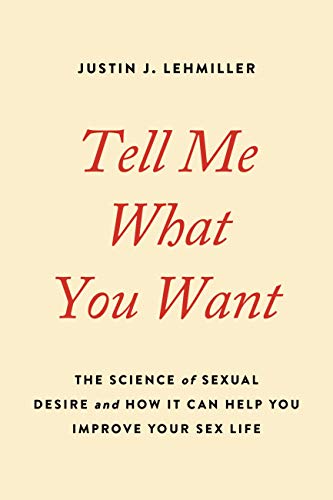
Tell Me What You Want
Based on a survey of 4,000+ people, Justin Lehmiller reveals what people actually fantasize about — and why that matters for sexual satisfaction and communication.
Buy on Amazon → Affiliate link — we may earn a commissionSection 03Practical Applications for Your Sex Life
Lehmiller connects fantasy patterns to relationship satisfaction and sexual wellbeing. People who discuss fantasies with partners report higher satisfaction scores and stronger emotional connections. The book includes psychology/sexual-communication-research/" class="contextual-link">communication frameworks for introducing fantasy topics without overwhelming your partner.
The research reveals which fantasies translate well to reality versus those better kept as mental scenarios. Group sex fantasies, for example, often involve logistics and emotions that differ dramatically from the imagined version. Lehmiller provides reality-checks for common fantasy-to-action transitions.
Fantasy Communication Framework
Start with curiosity about your partner's thoughts rather than sharing your own fantasies first. Ask open-ended questions like 'What scenarios turn you on?' rather than yes/no questions about specific acts. This approach reduces defensiveness and creates space for honest exploration.
Section 04What the Book Gets Right
The data presentation is clear and accessible. Lehmiller avoids academic jargon while maintaining scientific rigor. Charts and percentages make it easy to understand how your interests compare to population averages. The book normalizes diverse sexual interests without being preachy.
Real participant quotes add context to the statistics. These stories help readers understand the emotional drivers behind different fantasy types. A 34-year-old woman explains how control fantasies help her process work stress. A married man describes how romantic fantasies about his wife increased their intimacy.
Section 05Where It Falls Short
The book focuses heavily on what people think about but provides limited guidance on technique or skill development. If you want to improve stamina, learn beginners-guide/" class="contextual-link">prostate massage, or develop better arousal control, you'll need additional resources. Tell Me What You Want is more diagnostic than instructional.
Some chapters read like extended research summaries rather than actionable content. The BDSM section explains popularity statistics but doesn't cover safety protocols or beginner techniques. The communication advice stays general rather than providing specific scripts or conversation starters.
Section 06Who Should Read This Book
Couples looking to understand compatibility-guide/" class="contextual-link">sexual compatibility will find valuable insights. The research helps identify which fantasy differences matter for relationship satisfaction versus those that don't affect sexual fulfillment. Partners can use the findings to normalize their discussions about desires.
Anyone feeling shame about their sexual thoughts will benefit from the normalization effect. Seeing that large majorities of survey respondents share similar fantasies — including taboo interests spanning all demographics — reduces isolation and self-judgment. The book works as therapy for sexual anxiety.
Fantasy Discussion Safety
Never pressure partners to share fantasies or act on yours. Fantasy disclosure should feel safe and voluntary. Some fantasies work better remaining private, and that's completely normal.
Step-by-stepPractical Instructions
Identify Your Fantasy Patterns
Read through Lehmiller's seven categories and note which themes appear most in your thoughts. Track this for a week rather than trying to categorize everything immediately. Notice whether your fantasies focus more on physical sensations, emotional connections, or taboo scenarios. This baseline helps you understand your sexual interests beyond surface-level attractions.
Compare Against Population Data
Read through Lehmiller's seven categories and note which themes appear most in your thoughts. Track this for a week rather than trying to categorize everything immediately. Notice whether your fantasies focus more on physical sensations, emotional connections, or taboo scenarios. This baseline helps you understand your sexual interests beyond surface-level attractions.
Start Fantasy Conversations Gradually
Begin with curiosity about your partner's general turn-ons rather than sharing specific fantasies. Ask open-ended questions during relaxed moments, not during or right before sex. Use the book's findings to normalize the conversation: 'I read that most people have taboo fantasies - what scenarios interest you?' This approach reduces pressure and creates safety.
Separate Fantasy from Action Plans
Identify which fantasies you want to keep as mental scenarios versus those you'd consider exploring. Lehmiller notes that many fantasies lose appeal when examined as real possibilities. Group sex fantasies often involve logistics and emotions that differ from imagination. Discuss this distinction with your partner to avoid misunderstandings.
Use Findings to Reduce Sexual Shame
When self-judgment about sexual thoughts arises, refer back to the population data. Lehmiller's findings show that taboo fantasies are reported by the large majority of respondents, and that sexual diversity is normal across all demographics. Use the relevant sections from your interest areas to counter shame messages. This cognitive approach helps maintain sexual confidence and openness.
Avoid theseCommon Mistakes
Expecting detailed technique instruction
This book analyzes what people think about, not how to do it better
Sharing all fantasies immediately after reading
Information dumps overwhelm partners and create pressure
Assuming fantasy percentages mean action recommendations
Popular fantasies aren't automatically good ideas to pursue
Using statistics to pressure partners
Population data doesn't determine individual preferences or comfort
"The gap between fantasy and reality reminds us that sexual imagination serves psychological needs beyond physical pleasure."
analyzing the practical applications of fantasy research
FAQFrequently Asked Questions
Further ReadingRecommended Books
- The Science of Orgasm — Barry Komisaruk Neuroscience of pleasure
- Come As You Are — Emily Nagoski Research-backed sexuality
Links are affiliate links. We may earn a commission at no extra cost to you.
SourcesPeer-reviewed references
- Lehmiller, Justin J (2018) Tell Me What You Want: The Science of Sexual Desire and How It Can Help You Improve Your Sex Life. Da Capo Lifelong Books.
- Meston, Cindy M., Buss, David M (2007) Why humans have sex. Archives of Sexual Behavior. doi:10.1007/s10508-007-9175-2
- Diamond, Lisa M., Huebner, David M (2012) Is good sex good for you? Rethinking sexuality and health. Social and Personality Psychology Compass. doi:10.1111/j.1751-9004.2012.00429.x
- Kohut, Taylor, Balzarini, Rhonda N., Fisher, William A (2015) Perceived effects of pornography on the couple relationship. Archives of Sexual Behavior. doi:10.1007/s10508-014-0305-4
Every DOI above resolves via CrossRef. Figures quoted in this article are drawn from these papers or stated in qualified terms.
